The One-Bag Week: Packing Seven Days into a Carry-On
The checked bag is a choice, not a necessity: seven days packs into a carry-on when the wardrobe obeys capsule math and the folding obeys physics. The one-bag week: the 5-4-3-2-1 formula, the cube system and the rules that make the overhead bin sufficient.
The 5-4-3-2-1 Formula
The week’s inventory: 5 tops, 4 bottoms, 3 shoes (worn included), 2 layers, 1 occasion piece — all in one palette (the 2-1-1 formula travels; the pre-harmonized capsule is WHY the count works: 5×4 = 20 base outfits from nine garments). The formula flexes by climate but the palette law never does.
The Physics
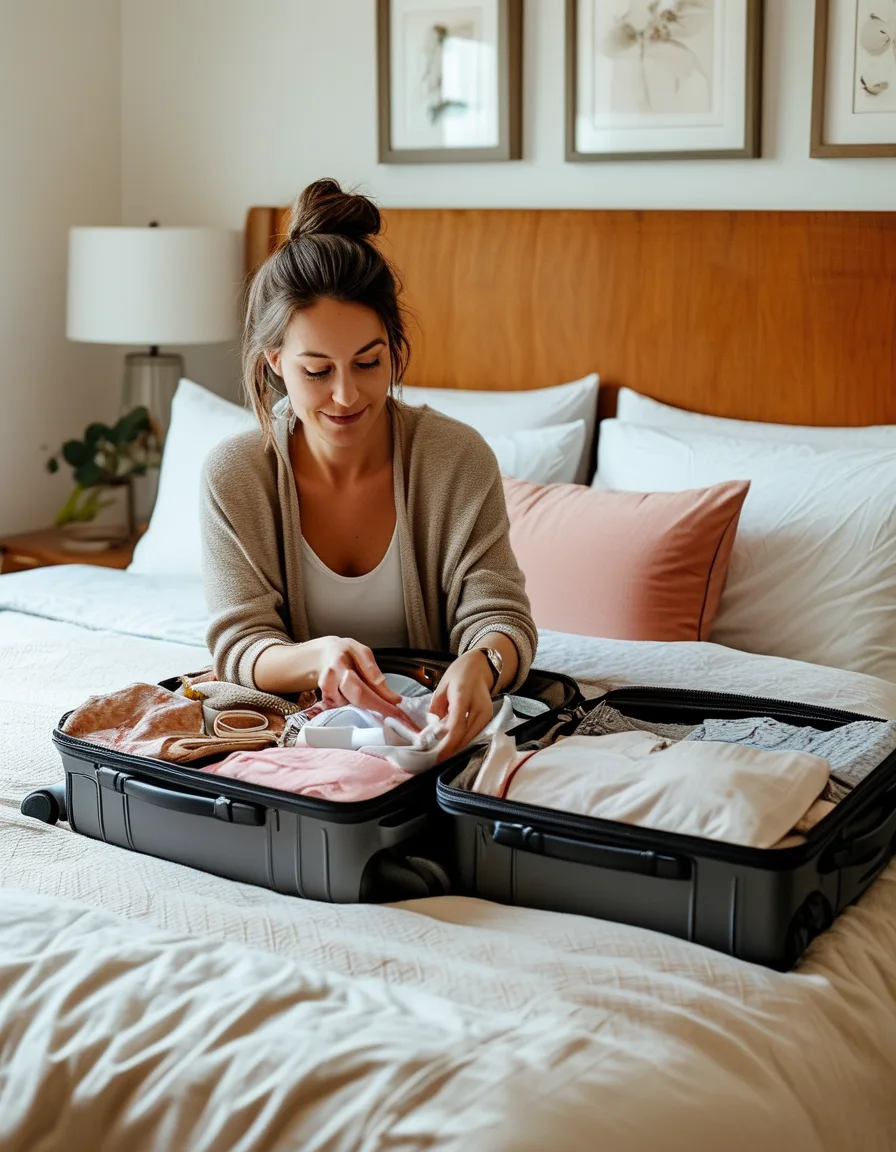
The packing mechanics: roll the soft (knits, tees — rolling beats folding on wrinkles AND volume), fold the structured (the blazer’s origami: shoulders inverted, one fold, top of the bag), cube everything (compression cubes are the one-bag enabler — category per cube, the suitcase becomes a drawer system), and shoes in bags at the base, stuffed with socks (dead space is a myth).
The Wear-the-Heavy Rule
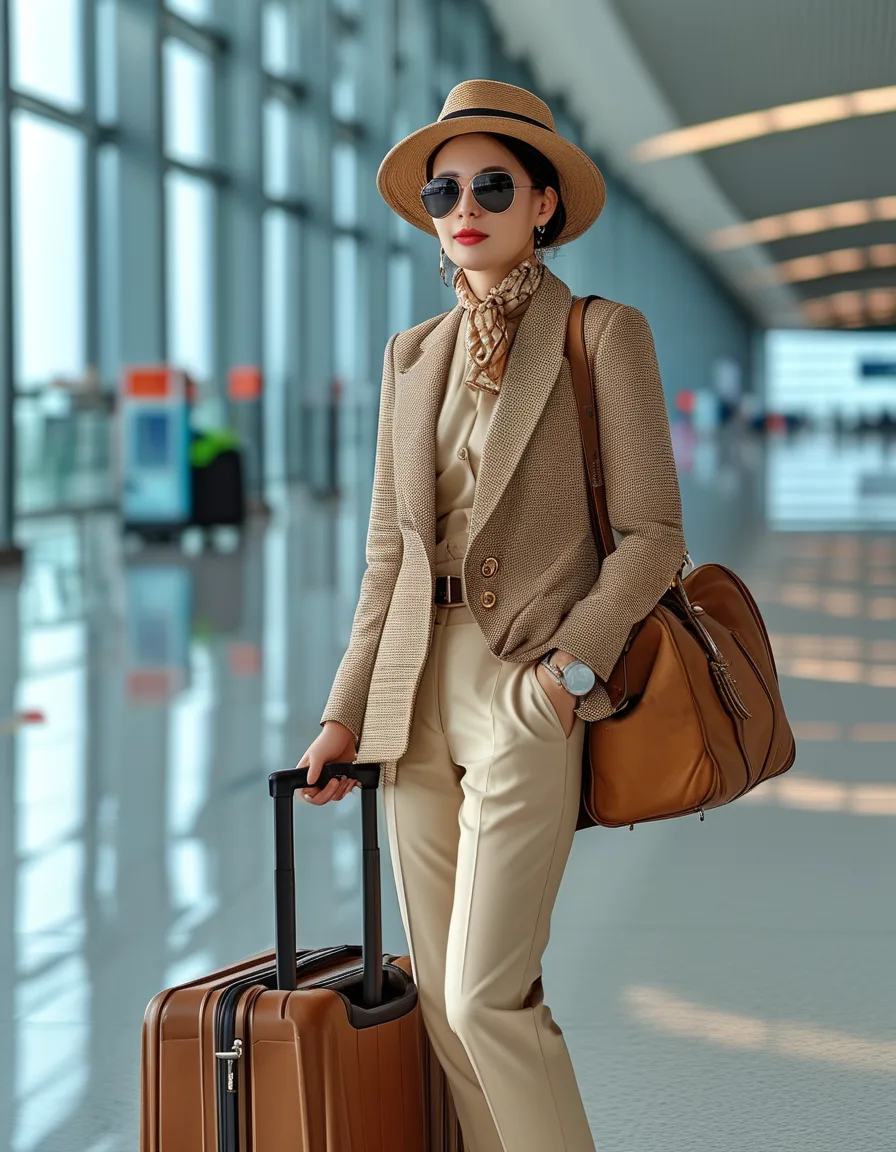
The transit outfit as cargo: the heaviest shoes, the bulkiest layer and the jeans FLY ON THE BODY (the airport outfit doctrine — comfort math and cubic-liter math agree), the coat carries over the arm (never packed), and the plane socks live in the personal item. The body is the free second bag.
The Discipline Clauses
The one-bag guardrails: the just-in-case tier stays home (the audit logic applies — pack the evidence, not the imagination), the laundry assumption for weeks-plus (one sink wash doubles the wardrobe), the souvenir margin (pack at 80%; return at 100%), and the toiletry decant discipline. Seven days, one bag, zero carousel — the formula flies every week somewhere.
Nine garments, one palette, roll-cube-wear. The checked bag was always optional — the one-bag week is capsule math with a boarding pass.
Keep Reading
This article is for general styling and informational purposes only. Trends, sizing, availability and pricing may vary by brand and season.